 Why Breaking Tasks Into Smaller Steps Works
If you’re wondering how to stop feeling overwhelmed, the first step is realizing that the size of a task matters. When a project feels too big, your brain often freezes. You know what you want to accomplish, but the path to get there isn’t clear — and that’s when procrastination creeps in.
Breaking tasks into smaller steps creates clarity and momentum. Suddenly, what seemed impossible becomes doable. And the more bite-sized actions you complete, the more confidence you build to tackle the next step.
How to Stop Feeling Overwhelmed by Big Projects
Here’s the good news: feeling overwhelmed is normal. It happens to everyone — my clients, colleagues, and even me. The trick is to shrink the project into micro tasks so small that you can’t fail.
Think micro. Tiny. Minuscule. Nano. Whatever word clicks for you.
The goal is an action so small that you are guaranteed to be successful. Not maybe successful but guaranteed. Completing it feels almost silly — but that’s exactly what makes it powerful. These tiny steps bypass resistance and give your brain quick wins, which is the fastest way to overcome overwhelm.
 How to Get Unstuck When You’re Procrastinating
When you’re stuck, it’s usually because you haven’t defined the very next step clearly. Sitting down to break a project into manageable pieces and writing them down provides a clear roadmap.
For example, let’s say you want to reduce the number of books in your home. You love your books, they’re everywhere, and the idea of tackling them all at once is overwhelming. Here’s how to break it down:
-
Micro Task 1: Choose one room.
-
Micro Task 2: Pick one bookcase in that room.
-
Micro Task 3: Pick a shelf on that bookcase.
-
Micro Task 4: Decide which end of the shelf to start from.
-
Micro Task 5: Choose a limit you can manage — 15 minutes, half a shelf, or 20 books.
Even if it feels ridiculously small, these steps guarantee progress. And when progress starts, momentum follows.
A Simple Decluttering Strategy When You Feel Overwhelmed
This method works for any project — at home or in business. It doesn’t matter if you’re decluttering, planning a new marketing campaign, or writing a big report. Shrinking the first step makes the task manageable and reduces stress.
The size of the step doesn’t matter — starting it does. A tiny, completed task is better than a huge, overwhelming one that keeps you stuck. Quick wins build confidence, which fuels the next action, and the next after that.
 Small Steps to Achieve Big Goals in Your Home or Business
To stop feeling overwhelmed, commit to breaking every project into micro steps:
-
Define your very next action.
-
Make it so small you are guaranteed to be successful even if it feels almost silly.
-
Complete it. Celebrate it. Repeat.
By focusing on what’s achievable right now, you reduce overwhelm, minimize procrastination, and build real momentum toward your goals.
Remember, success doesn’t come from giant leaps. It comes from stacking small, achievable actions until they add up to something meaningful.


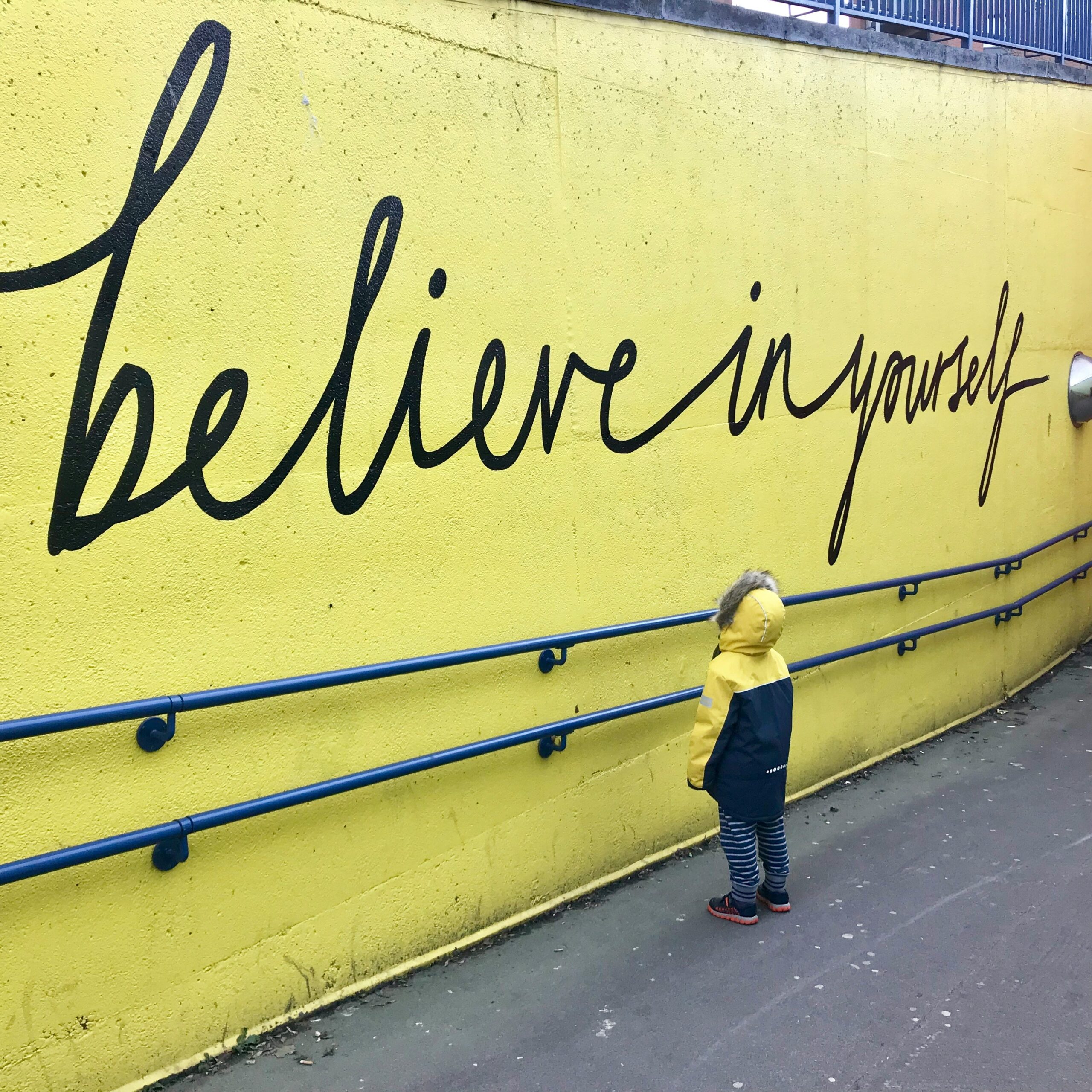
 Our minds are not easy to manage. There are times when mindset matters more than others.
 Why Mindset Matters
 Strategies for Mental Toughness

 Step one is a compelling vision that keeps you focussed and reminds you of why you are pursuing goals in the first place. Next the plan needs a break down of the year to show where the revenue opportunities sit and where the expense obligations lie. Step three is a set of detailed process and outcome goals by quarter and month to identify what work needs to be done and when. Final step is a set of tools to which you can resort when the procrastination, perfectionist, and fear of failure – or success – gremlins show up.
 While mindfulness is designed to create awareness in the moment, mindful reflection gives us an opportunity to develop awareness of the past. That awareness give us the chance to look at something from a distance; to examine it from different angles. And just maybe, we can see things from a different perspective.